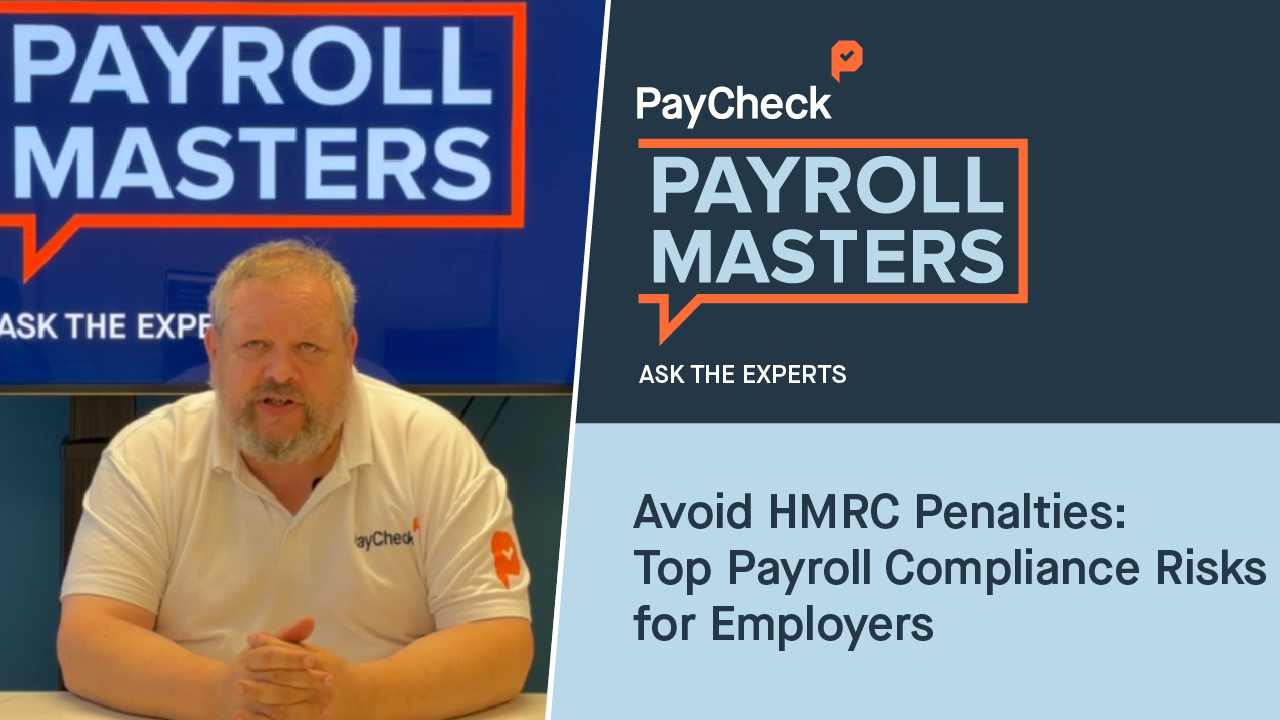
For many employers, payroll is viewed as a routine administrative task. Employees are paid, payslips are issued, and the process repeats each month. However, payroll involves much more than simply paying staff on time.
Every payroll run carries legal and compliance responsibilities, including tax deductions, National Insurance contributions, pension administration, and HMRC reporting obligations.
Even small errors can result in:
- HMRC penalties
- Employee complaints
- Additional administration
- Compliance investigations
- Reputational damage
Understanding the most common payroll compliance risks can help employers avoid costly mistakes and keep payroll running smoothly.
What Is Payroll Compliance?
Payroll compliance means ensuring your business follows all relevant HMRC regulations and payroll legislation.
This includes:
- PAYE tax calculations
- National Insurance contributions
- Real Time Information (RTI) reporting
- Workplace pension obligations
- Benefits and expenses reporting
- Payroll record keeping
Remaining compliant requires accuracy, consistency, and attention to detail throughout the payroll process.
Risk #1: Late or Incorrect RTI Submissions
One of the most common compliance issues businesses face is failing to submit accurate payroll information to HMRC on time. Under Real Time Information (RTI) requirements, employers must submit payroll data each time employees are paid.
This typically includes:
- Pay details
- Tax deductions
- National Insurance contributions
- Statutory payments
Submitting information late or reporting incorrect figures can result in penalties and increased scrutiny from HMRC.
How to Reduce the Risk
- Use up-to-date payroll software
- Validate payroll data before submission
- Monitor payroll deadlines carefully
- Work with experienced payroll professionals
Risk #2: Incorrect Tax Codes and Payroll Deductions
Applying the wrong tax code is another common payroll mistake. An incorrect tax code can result in employees:
- Paying too much tax
- Paying too little tax
- Receiving incorrect net pay
Similarly, errors when calculating PAYE or National Insurance contributions can create compliance issues and lead to corrections later.
How to Reduce the Risk
- Ensure tax code notices are processed promptly
- Keep employee records up to date
- Regularly review payroll calculations
- Monitor HMRC communications
Accurate data is the foundation of payroll compliance.
Risk #3: Workplace Pension Compliance
Auto-enrolment legislation places important responsibilities on employers.
Businesses must:
- Assess employee eligibility
- Enrol eligible workers
- Calculate pension contributions correctly
- Submit pension data on time
- Pay contributions within required deadlines
Failure to meet workplace pension obligations can lead to intervention from The Pensions Regulator and potential financial penalties.
How to Reduce the Risk
- Automate pension assessments where possible
- Maintain pension records
- Monitor contribution deadlines
- Ensure payroll and pension systems work together effectively
Risk #4: Poor Payroll Record Keeping
Good record keeping is often overlooked until information is needed.
Employers are legally required to maintain payroll records and be able to provide information when requested by HMRC.
Important records may include:
- Employee details
- Payroll calculations
- HMRC submissions
- Pension records
- Statutory payment information
If records are incomplete, inaccurate, or missing, resolving payroll queries and responding to compliance reviews can become extremely difficult.
How to Reduce the Risk
- Store payroll records securely
- Maintain digital backups
- Regularly review employee information
- Implement clear payroll processes
Strong record management supports both compliance and operational efficiency.
Risk #5: Benefits and Expenses Reporting
Businesses that provide employee benefits must ensure they are reported correctly.
Common Benefits in Kind include:
- Company cars
- Private medical insurance
- Low-interest loans
- Accommodation
- Other employee perks
Depending on your reporting method, you may be required to:
- Submit P11D forms
- Payroll Benefits in Kind (PBIK)
- Submit a P11D(b)
- Pay Class 1A National Insurance Contributions
Mistakes in this area can create unexpected tax liabilities for both employers and employees.
How to Reduce the Risk
- Review employee benefits regularly
- Ensure benefits are recorded accurately
- Understand reporting requirements
- Seek professional advice where needed
Why Payroll Compliance Can Be Challenging
Payroll legislation changes regularly.
Employers must keep pace with:
- HMRC updates
- Tax changes
- Pension legislation
- National Insurance thresholds
- Payroll reporting requirements
For many businesses, maintaining this level of expertise internally can be difficult and time-consuming. This is why many organisations choose to work with payroll specialists who can help manage compliance responsibilities on their behalf.
How Outsourced Payroll Can Help Reduce Risk
Partnering with a payroll specialist can help businesses:
- Improve payroll accuracy
- Reduce compliance risks
- Stay up to date with HMRC requirements
- Meet payroll deadlines consistently
- Minimise administrative workload
- Gain access to payroll expertise
At PayCheck, we have spent more than 30 years helping UK businesses navigate payroll legislation and compliance requirements with confidence.
Our Payroll Masters combine technology with expert knowledge to ensure payroll is processed accurately, securely, and in line with current regulations.
Final Thoughts
When it comes to payroll compliance, prevention is always better than correction.
Taking a proactive approach can help your business:
- Avoid penalties
- Reduce payroll risk
- Protect employee trust
- Improve operational efficiency
- Maintain compliance with confidence
The key is ensuring payroll processes are accurate, consistent, and supported by the right expertise.
Need Help Managing Payroll Compliance?
If you’re concerned about payroll compliance, HMRC reporting, workplace pensions, or payroll accuracy, PayCheck can help.
With over 30 years of payroll expertise, we help businesses across the UK reduce payroll risk and stay compliant with ever-changing legislation.
Contact PayCheck today and discover how our Payroll Masters can help simplify payroll compliance for your business.

Insights from Payroll Master
Mark Sapsford | Sr.Business Development Manager