

Payroll compliance has never been more important for UK businesses.
With HMRC continuing to strengthen its digital reporting systems and increase scrutiny of employer reporting obligations, even small payroll mistakes can result in penalties, interest charges, employee complaints, and significant administrative headaches.
Many payroll penalties are not caused by deliberate non-compliance. In fact, they often arise from simple issues such as late RTI submissions, incorrect employee information, missed pension duties, or National Minimum Wage calculation errors.
The good news is that most payroll penalties are entirely avoidable with the right processes, systems, and expertise in place.
This guide explains the most common payroll penalties UK employers face in the 2026–27 tax year and how to avoid them.
Why Payroll Compliance Matters
Payroll is one of the most heavily regulated areas of business administration.
Employers are responsible for:
- PAYE reporting
- National Insurance calculations
- Workplace pension obligations
- National Minimum Wage compliance
- Statutory payments
- Benefits reporting
- Year-end payroll returns
HMRC uses Real Time Information (RTI) to monitor payroll submissions and identify discrepancies quickly. A missed deadline or incorrect submission can trigger both financial penalties and compliance concerns.
The Most Common Payroll Penalties
- Late RTI Submission Penalties
One of the most common payroll penalties involves late submission of Full Payment Submissions (FPS).
Employers must submit payroll information to HMRC on or before employees are paid. If submissions are consistently late, HMRC may issue monthly penalties based on workforce size.
Typical Penalties
Number of Employees | Monthly Penalty | Annual Exposure |
1–9 | £100 | £1,200 |
10–49 | £200 | £2,400 |
50–249 | £300 | £3,600 |
250+ | £400 | £4,800 |
How to Avoid It
✅ Process payroll early
✅ Use automated payroll software
✅ Set internal payroll deadlines
✅ Review RTI submission confirmations
✅ Work with an experienced payroll provider
- Incorrect PAYE Reporting
HMRC expects employer records and payroll submissions to match employee pay exactly.
Common errors include:
- Incorrect tax codes
- Wrong National Insurance categories
- Missing employee details
- Duplicate employee records
- Incorrect starter or leaver information
Even minor inaccuracies can cause issues for employees and trigger HMRC enquiries.
Typical PAYE late payment penalties
| Number of late payments | Penalty rate |
|---|---|
| 1–3 | 1% |
| 4–6 | 2% |
| 7–9 | 3% |
| 10–12 | 4% |
Additional surcharges also apply:
- 5% extra after 6 months unpaid
- Another 5% after 12 months unpaid
- Daily interest charged from the original due date
How to Avoid It
✅ Verify employee records regularly
✅ Confirm starter information before processing payroll
✅ Review tax code notices promptly
✅ Carry out payroll checks before submission
- National Minimum Wage (NMW) Errors
National Minimum Wage compliance remains one of HMRC’s biggest enforcement priorities. Many employers mistakenly believe NMW compliance is simply about paying the correct hourly rate.
In reality, issues often arise from:
- Salary sacrifice arrangements
- Uniform deductions
- Unpaid working time
- Travel time
- Apprentice pay transitions
Consequences
Employers may face:
❌ Repayment of underpaid wages
❌ Financial penalties
❌ Public naming by HMRC
❌ Reputational damage
How to Avoid It
✅ Review payroll calculations regularly
✅ Audit deductions
✅ Monitor employee age changes
✅ Review apprenticeship pay rules
- Workplace Pension Non-Compliance
Auto-enrolment duties remain an important area of compliance.
Employers must:
- Assess employees correctly
- Enrol eligible employees
- Process contributions accurately
- Submit pension files on time
Failure to comply may lead to action from The Pensions Regulator.
Common Issues
- Missed enrolments
- Incorrect contribution percentages
- Late pension submissions
- Inaccurate employee records
How to Avoid It
✅ Conduct regular workforce assessments
✅ Reconcile pension submissions monthly
✅ Review pension provider reports
✅ Use payroll software that supports auto-enrolment
- Late Payments to HMRC
Submitting payroll is only part of the process.
Employers must also pay:
- PAYE
- Employee National Insurance
- Employer National Insurance
- Student loan deductions
- Apprenticeship Levy (where applicable)
Late payment can result in:
- Interest charges
- Late payment penalties
- Compliance concerns
How to Avoid It
✅ Set payment reminders
✅ Monitor HMRC liabilities
✅ Use direct debit where appropriate
✅ Reconcile payroll reports regularly
- P11D and Benefits Reporting Errors
Benefits in Kind continue to be an area where businesses encounter problems.
Common issues include:
- Unreported benefits
- Incorrect valuations
- Missed P11D deadlines
- Incorrect Class 1A NIC calculations
As mandatory payrolling begins to roll out from 2027, employers should start preparing now.
How to Avoid It
✅ Maintain accurate benefit records
✅ Review company car and medical benefits regularly
✅ Monitor Class 1A NIC liabilities
✅ Seek payroll guidance where needed
- Employee Data Errors
Payroll accuracy is only as good as the data behind it.
Incorrect records can cause:
- RTI failures
- Pension issues
- Tax calculation errors
- Employee dissatisfaction
Common Data Issues
- Incorrect NI numbers
- Wrong addresses
- Outdated bank details
- Incorrect date of birth records
Payroll tax penalties for inaccurate submissions
| Type of error | Penalty range |
|---|---|
| Careless (unprompted) | 0–30% |
| Careless (prompted) | 15–30% |
| Deliberate but not concealed | 20–70% |
| Deliberate and concealed | 30–100% |
How to Avoid It
✅ Encourage employees to update their details
✅ Conduct periodic data audits
✅ Use secure employee self-service systems
Warning Signs That Payroll Risk Is Increasing
Many businesses experience warning signs before penalties occur.
These include:
- Frequent payroll corrections
- Missed payroll deadlines
- Increased employee payroll queries
- Manual spreadsheets
- Lack of documented payroll processes
- Reliance on a single payroll person
- Difficulty keeping up with legislative changes
If any of these sound familiar, it may be time to review your payroll arrangements.
The Real Cost of Payroll Penalties
The direct fine is often only part of the problem.
Payroll mistakes can also lead to:
Management Time: Correcting payroll errors consumes valuable time from finance, HR, and leadership teams.
Employee Trust Issues: Employees expect to be paid accurately and on time. Payroll mistakes can damage confidence and morale.
Reputational Risk: Public HMRC enforcement activity can impact employer reputation.
Operational Disruption: Investigations and corrections often create additional administration and workload.
Best Practices to Avoid Payroll Penalties
Create a Payroll Calendar and ensure all the important deadlines are documented including:
- Payroll processing dates
- RTI submission deadlines
- PAYE payment dates
- Pension submission dates
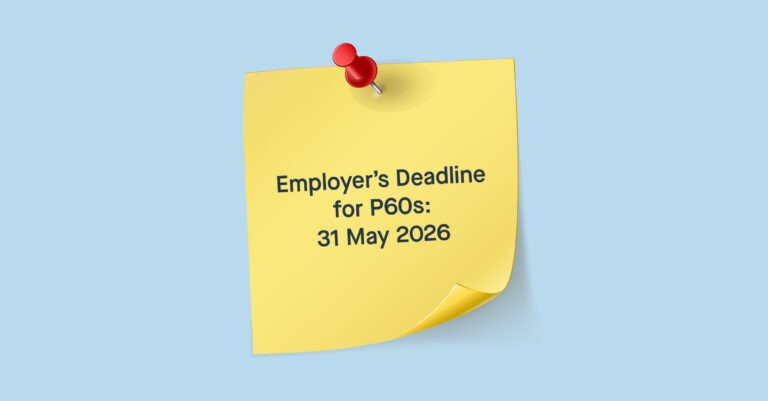
- P60 and P11D deadlines
Automate Where Possible
Modern payroll software can:
✅ Calculate taxes automatically
✅ Submit RTI reports
✅ Generate compliance reports
✅ Reduce human error
Keep Up with Legislative Changes
Payroll regulations evolve every year. Stay informed about:
- National Minimum Wage changes
- NIC updates
- Pension regulations
- HMRC reporting changes
Document Payroll Procedures
Clear payroll processes reduce reliance on individuals and improve consistency.
Conduct Regular Payroll Audits
Payroll audits help identify:
- Reporting errors
- Underpayments
- Missing records
- Compliance risks
before they become serious issues.
Why More Businesses Are Outsourcing Payroll
Many payroll penalties arise because internal teams simply don’t have the time or specialist payroll expertise required to keep up with changing regulations.
Outsourcing payroll can provide:
✅ Dedicated payroll knowledge
✅ Improved compliance
✅ HMRC reporting support
✅ Pension administration
✅ Reduced risk of errors
✅ More time for business growth
How PayCheck Helps Businesses Avoid Payroll Penalties
At PayCheck, we help businesses avoid payroll penalties by providing:
- Fully managed payroll services
- RTI reporting
- Pension administration
- HMRC compliance support
- Benefits and P11D management
- Payroll audits
- Dedicated payroll experts
- Our Three Ring Promise
With nearly 30 years of payroll experience and support for over 1,500 UK businesses, we help employers stay compliant while reducing risk and administrative burden.
Most payroll penalties are avoidable
The key is having accurate data, robust processes, clear deadlines, and the right expertise.
As HMRC continues to digitalise reporting and strengthen compliance enforcement, businesses that take a proactive approach to payroll management will be best placed to avoid unnecessary penalties and disruption.
By reviewing your payroll processes now, you can protect your business, support your employees, and ensure compliance throughout the 2026–27 tax year.

Insights from Payroll Master
Mark Sapsford | Sr.Business Development Manager
Frequently Asked Questions
What is the most common payroll penalty?
Late RTI submissions are among the most common payroll penalties issued by HMRC.
Can HMRC penalise businesses for payroll mistakes?
Yes. HMRC can charge penalties and interest for late reporting, late payment, or inaccurate payroll records.
How do I know if my payroll is compliant?
Regular payroll reviews, audits, and working with experienced payroll professionals can help ensure compliance.
Can outsourced payroll reduce compliance risks?
Yes. Many businesses outsource payroll to reduce errors, improve accuracy, and stay up to date with legislative changes.
What should businesses review during 2026–27?
Focus on:
- RTI submissions
- National Minimum Wage compliance
- Pensions
- Benefits reporting
- Employee records
- Payroll deadlines