

What Every UK Employer Can Learn About Payroll Compliance
Recent government enforcement action has put payroll compliance back in the spotlight, with well-known brands including B&Q and Five Guys among hundreds of employers named for failing to pay some workers the National Minimum Wage correctly. According to the Department for Business and Trade, more than 27,000 workers were repaid around £4 million in unpaid wages, while employers faced approximately £7 million in penalties.
For many business leaders, the story highlights an important point: Payroll compliance is not just about paying employees. It’s about paying employees correctly in accordance with complex UK payroll legislation.
Even large organisations with substantial resources can find themselves on the wrong side of HMRC investigations when payroll processes, calculations, or compliance checks are not managed correctly.
The headlines behind the story
According to reports, B&Q was found to have underpaid more than 4,500 workers by over £456,000, while Five Guys repaid more than £54,000 relating to almost 3,700 employees. Both organisations stated that the issues were unintentional and arose from payroll calculation and compliance-related matters rather than deliberate underpayment.
The government has made it clear that regardless of intent, employers remain responsible for ensuring workers receive at least the legal minimum wage. Businesses that fail to comply can face:
- Repayment of wage arrears
- Financial penalties
- HMRC investigations
- Public naming and reputational damage
- Increased scrutiny of payroll practices
Why minimum wage compliance is more complex than many employers realise
Many employers assume that if an employee’s hourly rate is above the National Minimum Wage, they are compliant. In reality, payroll compliance can be significantly more complicated.
Minimum wage breaches often arise from technical payroll issues such as:
- Salary sacrifice arrangements
- Pension deductions
- Uniform costs
- Working time calculations
- Training time
- Payroll allowances
- Benefits and deductions
- Apprentice pay rules
- Variable working hours
Reports on this latest enforcement action highlighted that many underpayments stemmed from technical payroll errors and compliance interpretations rather than intentional underpayment. This demonstrates why payroll is increasingly becoming a specialist discipline rather than a simple administrative function.
The hidden cost of payroll errors
When payroll mistakes occur, the impact extends beyond a financial correction.
Businesses may face:
Reputational Damage: Being publicly named by the government can attract unwanted media attention and may affect employer brand perception. The government’s “naming and shaming” programme is specifically designed to increase accountability and transparency.
Increased Compliance Risk: Payroll errors can trigger wider reviews of payroll controls, employment practices, pension compliance, and record keeping.
Management Time: Investigations often require significant management involvement, diverting HR, finance, and leadership teams away from strategic priorities.
Employee Trust: Perhaps most importantly, payroll errors can damage employee confidence. Staff expect to be paid accurately and on time. Rebuilding trust after payroll issues can take considerable effort.
How outsourced payroll can help reduce compliance risk
This is one of the key reasons many UK businesses choose to outsource payroll to specialist providers. A fully managed payroll service helps reduce risk by ensuring payroll is overseen by professionals whose role is to stay up to date with changing legislation, HMRC requirements, pension regulations, and payroll best practices.
Specialist Payroll Expertise Payroll legislation changes regularly, and National Minimum Wage rates, pension thresholds, statutory payments, tax bands, reporting requirements, and employment legislation all require ongoing monitoring. Dedicated payroll professionals work with these regulations every day, helping businesses remain compliant.
Process Controls and Validation: Professional payroll providers typically use established processes, quality assurance procedures, and multiple validation checks before payroll is finalised. This helps identify potential issues before they become compliance problems.
HMRC-Recognised Payroll Software: Using HMRC-recognised payroll software helps ensure payroll calculations, RTI submissions, pension processing, and statutory payments are managed accurately and efficiently.
Reduced Dependency on One Individual: Many businesses rely heavily on a single payroll administrator or payroll manager. When that person leaves, retires, or is unavailable, significant knowledge gaps can emerge. An outsourced payroll partner provides continuity and reduces reliance on internal resources.
Payroll compliance is more important than ever
The latest enforcement action serves as a reminder that payroll compliance is not something employers can afford to overlook. The vast majority of employers strive to do the right thing, but even honest mistakes can result in substantial repayments, penalties, and reputational impact. For businesses looking to minimise risk, improve accuracy, and ensure compliance, outsourced payroll can provide valuable expertise and reassurance.
How PayCheck supports UK businesses
Since 1996, PayCheck has helped businesses, directors, HR teams, accountants, and finance departments manage payroll accurately, securely, and compliantly.
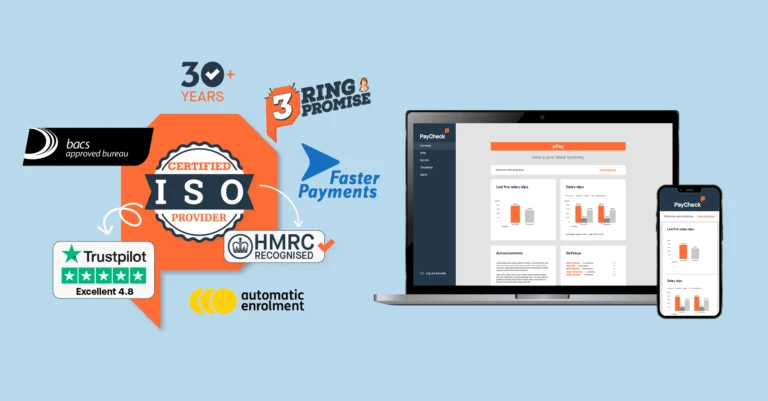
Today, we provide fully managed payroll services to more than 1,500 UK businesses, supported by UK-based payroll experts and HMRC-recognised payroll software. From payroll processing and pension auto-enrolment to compliance support and BACS payments, our aim is simple:
Thinking about outsourcing payroll?
If you’re concerned about payroll compliance, resource challenges, or business continuity, now may be the right time to review your payroll arrangements.
Or speak to the PayCheck team to discover how a fully managed payroll service can help protect your business, your employees, and your reputation.

Insights from Payroll Master
Mark Sapsford | Sr.Business Development Manager